Courses→BookstoreObservatory→Briefings→Investigation→Journals→Glossary→Legislation→Preserve Evidence→About→Tools
Contact
Editorial Catalog & Publications

Bookstore & Publications

Authored books, collective treatises, reference book chapters and peer-reviewed articles by Prof. Stenio Santos Sousa. Journal articles and public collections link directly to the free Open Access download; works on sale link directly to the official publishers and booksellers. Most works are written in Portuguese: each page gives an English translation of the title, synopsis and keywords.

3 WorksAuthored & edited books
6 ChaptersLegal collections
20 PublicationsFree open access
50 ArticlesAlerta Digital column
Alerta Digital column (50 articles, in Portuguese)→
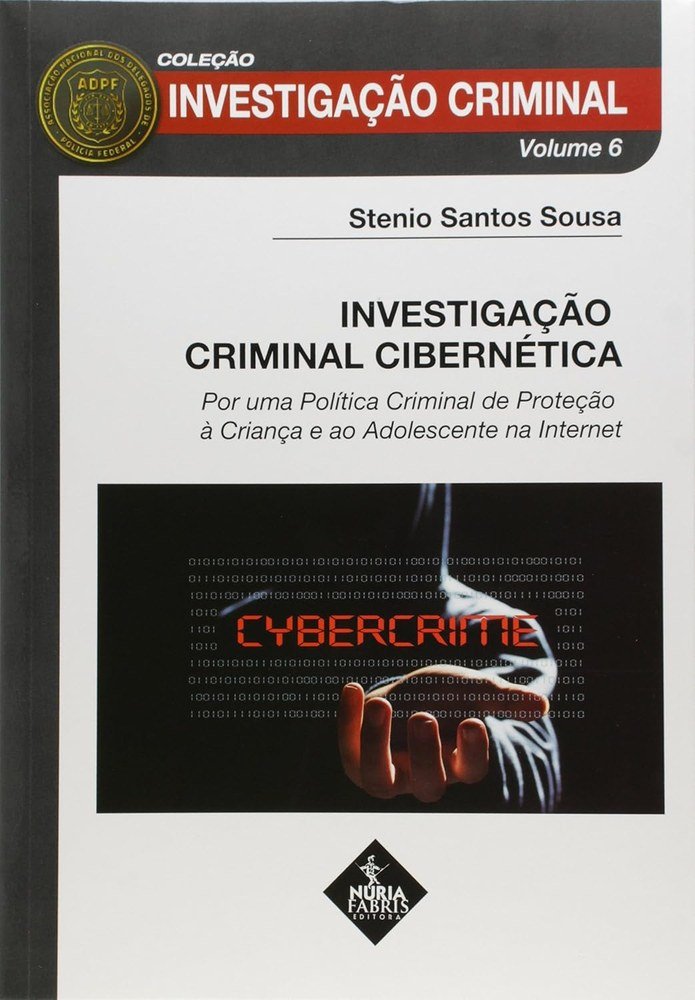
Official cover of the book Investigação Criminal Cibernética, by Stenio Santos Sousa, Núria Fabris Editora
Authored Book
R$ 76,00
Núria Fabris Editora · 2015

Investigação Criminal Cibernética

[Cyber Criminal Investigation]

Toward a criminal policy for the protection of children and adolescents on the internet

A pioneering work forming part of the established Coleção Investigação Criminal [Criminal Investigation Collection] (Volume 6). The book examines in depth the intersection between Criminal Procedure, the fundamental guarantees of the 1988 Federal Constitution, and the operational and doctrinal challenges of combating the sexual exploitation of children and adolescents in the cyber environment. It addresses modern techniques of digital criminal investigation, the collection and preservation of telematic evidence, transnational police cooperation, and the pressing need to formulate a contemporary criminal policy that is technically oriented and grounded in humanistic values.
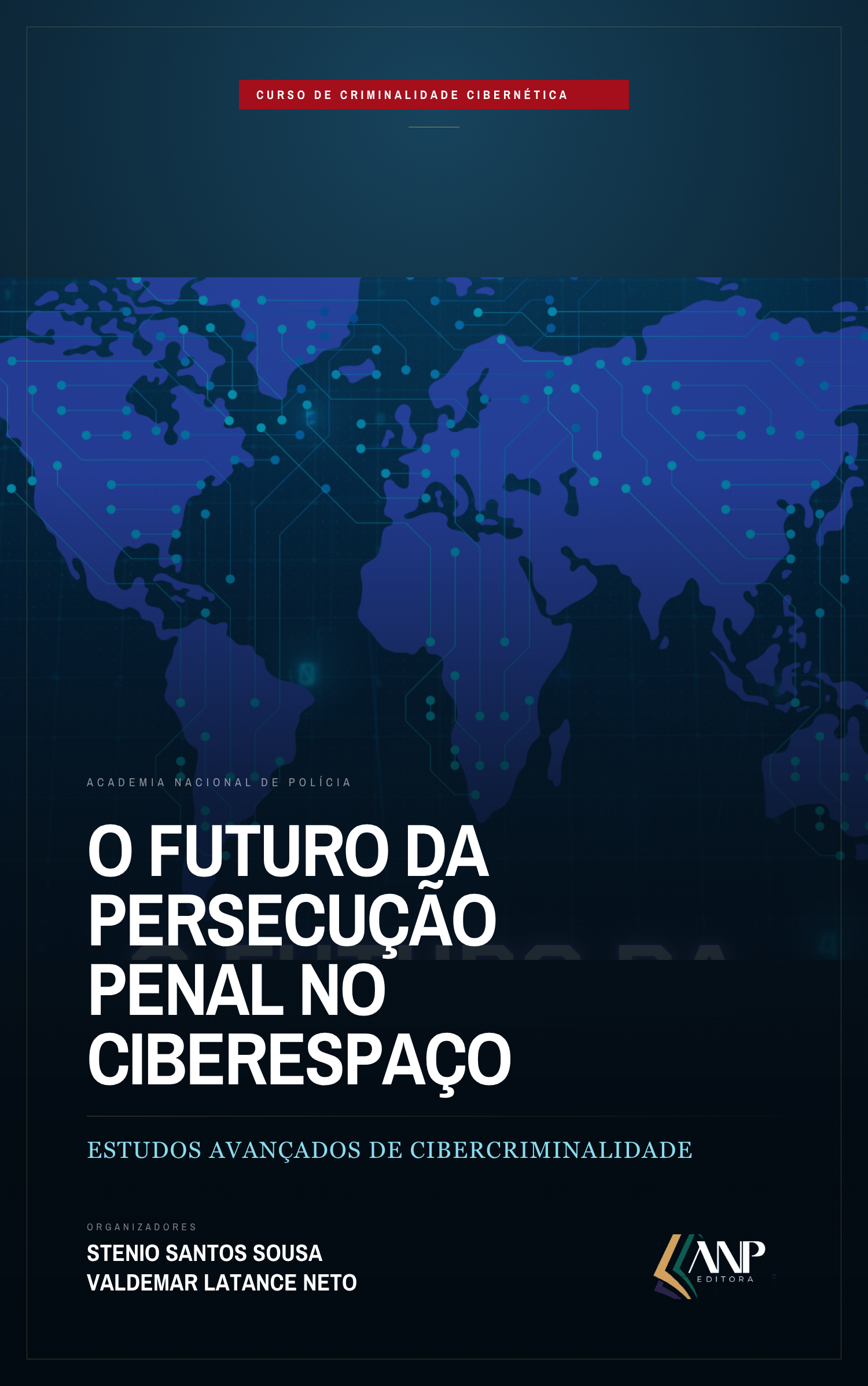
Cover of the book O Futuro da Persecução Penal no Ciberespaço, ANP Editora 2026
Open Access
Free Open Access
ANP Editora · 2026

O Futuro da Persecução Penal no Ciberespaço

[The Future of Criminal Prosecution in Cyberspace]

Advanced Studies in Cybercrime

Cyberspace is no longer a marginal or merely instrumental space; it has become a central dimension of contemporary crime, affecting the definition of legally protected interests, the shaping of criminal offenses, the methods of criminal investigation and the very foundations of due process of law. The book starts from the premise that tackling crime in cyberspace cannot be understood merely as a technological issue, but as a complex legal and criminal phenomenon that requires an integrated reading of Criminal Law, Criminal Procedure, Criminology, Criminal Policy and Computer Science. The result is a cohesive work that reflects the commitment of the National Police Academy (ANP) to producing applied, critical knowledge aligned with the real challenges of public security in a network society.

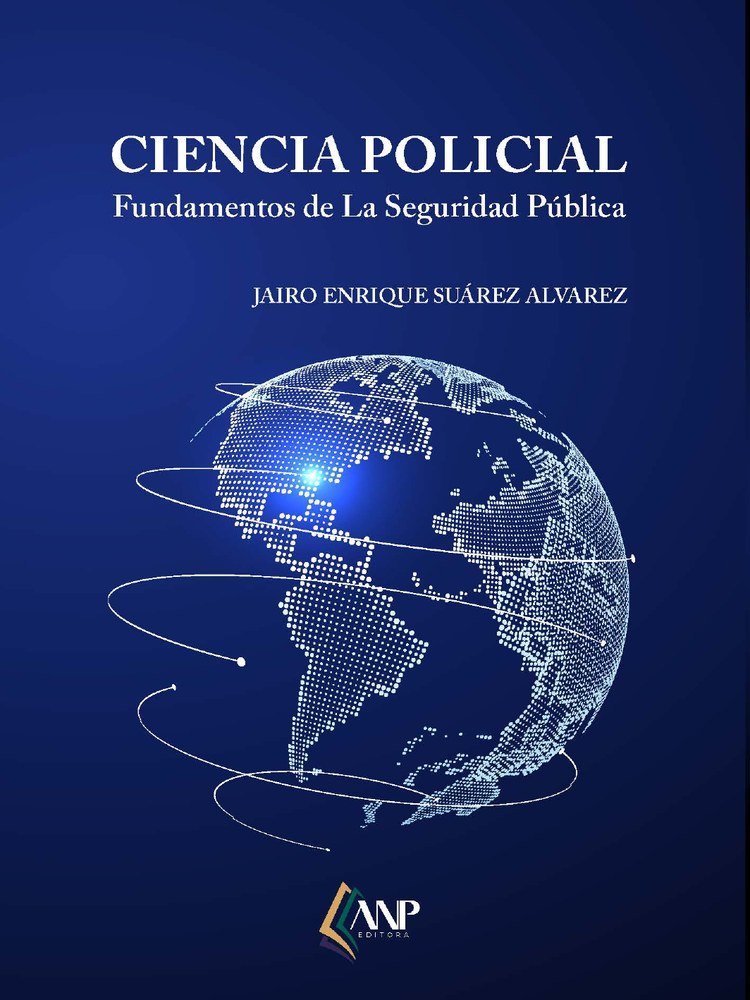
Official cover of Ciencia Policial: Fundamentos de la Seguridad Pública, by Jairo Enrique Suárez Alvarez, ANP Editora
Open Access
Free (Open Access)
ANP Editora — Academia Nacional de Polícia · 2021

Ciencia Policial: Fundamentos de la Seguridad Pública

[Police Science: Foundations of Public Security]

by Jairo Enrique Suárez Alvarez — the first title published by ANP Editora, under the editorial direction of Stenio Santos Sousa

The work with which ANP Editora began its publishing activity, in 2021, under the direction of Stenio Santos Sousa as Responsible Editor and Executive Council Member. The Colombian author Jairo Enrique Suárez Alvarez — a member of the editorial board of the Revista Brasileira de Ciências Policiais — argues, over sixteen chapters, that police power is the core concept for understanding the role of the modern State in matters of public security, and that the rule of law must develop its own science: police science, conceived as a new social science of the State whose purpose is peaceful coexistence. The book traces the old police science of Johann Heinrich Gottlob von Justi, its Latin American continuation in Enrique Fentanes and the Colombian tradition, and closes with the ontological, teleological, gnoseological and methodological foundations of the field. Foreword by Eliomar da Silva Pereira.

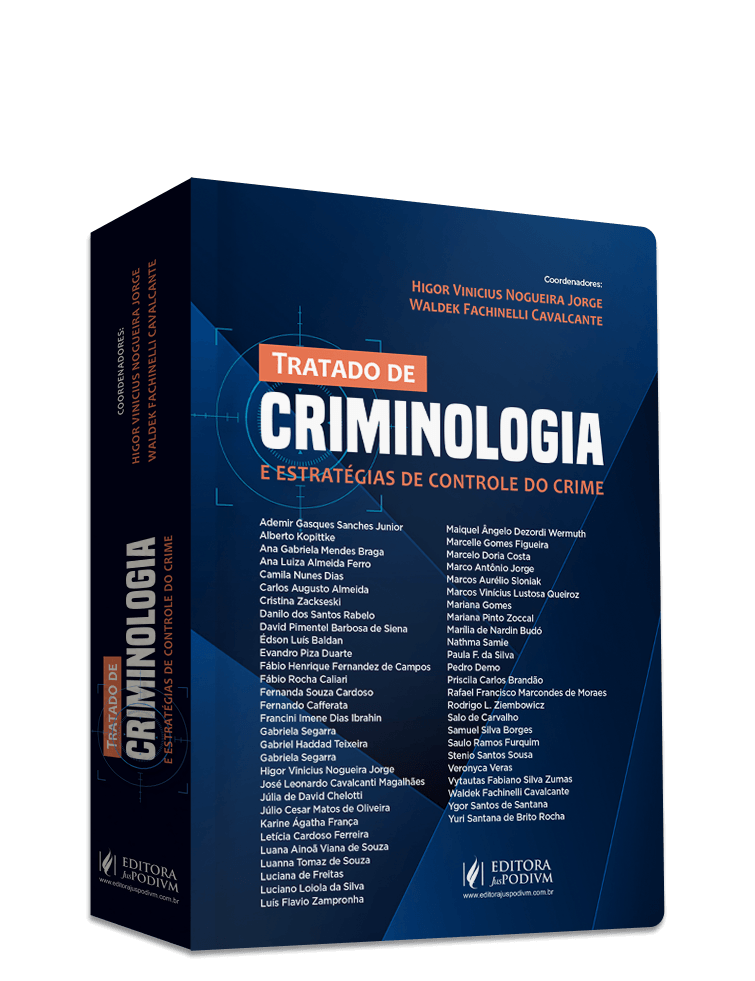
Cover of Tratado de Criminologia e Estratégias de Controle do Crime (2027), Editora Juspodivm
Chapter in Edited Volume
R$ 169,90
Editora Juspodivm · 2027

Tratado de Criminologia e Estratégias de Controle do Crime (2027)

[Treatise on Criminology and Crime Control Strategies (2027)]

Chapter 16: "Cibercriminologia e os Desafios do Controle do Crime Cibernético" [Cybercriminology and the Challenges of Cybercrime Control]

A comprehensive treatise bringing together specialists and researchers at the forefront of Criminology. Chapter 16, written by Prof. Stenio Santos Sousa — entitled "Cibercriminologia e os Desafios do Controle do Crime Cibernético" [Cybercriminology and the Challenges of Cybercrime Control] (pp. 317-340) —, traces the long methodological path of criminological studies up to late modernity in order to establish the theoretical foundations of the emerging field of cybercriminology. It examines models of control systems, the typology of containment and the repressive response to the hypercomplexity of networked offenses.

Cover of the book Estudos Jurídicos em Homenagem ao Professor Geraldo Prado, Marcial Pons
Chapter in Edited Volume
R$ 557,00
Marcial Pons Brasil · 2025

Estudos Jurídicos em Homenagem ao Prof. Geraldo Prado

[Legal Studies in Honor of Prof. Geraldo Prado]

Chapter: "A cadeia de custódia como garantia de fiabilidade dos elementos de interesse em formato digital" [The chain of custody as a guarantee of the reliability of elements of interest in digital format]

An international collection of considerable academic depth celebrating the 65th birthday of one of the leading Ibero-American scholars of criminal procedure. Prof. Stenio Santos Sousa’s chapter examines the epistemic rigor of digital evidence, showing how the chain of custody is an indispensable precondition of validity and reliability, ensuring that telematic traces, logs and forensic images withstand constitutional scrutiny under the adversarial principle.

Official cover of volume VIII of Direitos Fundamentais e Processo Penal na Era Digital, InternetLab
Open Access
Free (Open Access)
InternetLab · 2025

Direitos Fundamentais e Processo Penal na Era Digital

[Fundamental Rights and Criminal Procedure in the Digital Age]

Chapter: "Legalidade, meios de obtenção de provas digitais e direito à devida investigação criminal no ciberespaço" [Legality, means of obtaining digital evidence and the right to due criminal investigation in cyberspace]

A reference publication developed within the renowned InternetLab International Congress. The chapter analyzes the boundaries between the investigative powers of the State and citizens’ fundamental guarantees in the collection of digital evidence. It discusses the limits of remote access to devices, direct requests to transnational platforms, and the recognition of the right to a fair criminal investigation guided by legality.

vol. VIII, pp. 140-169Download / Read→
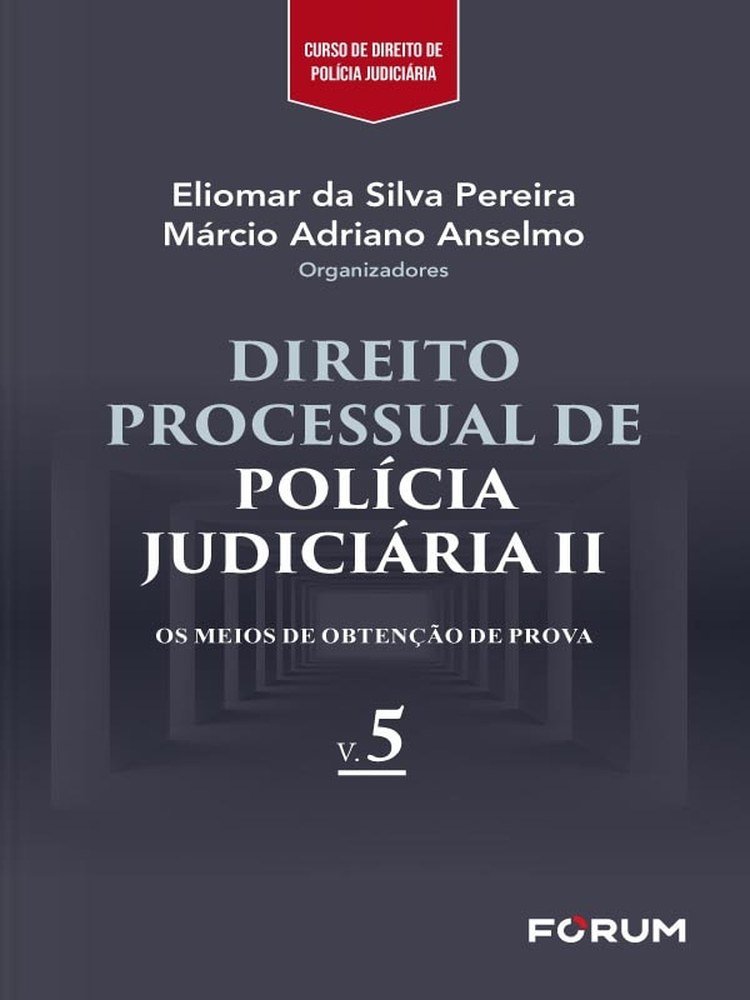
Cover of the book Direito Processual de Polícia Judiciária II, Editora Fórum
Chapter in Edited Volume
R$ 125,00
Editora Fórum · 2020

Direito Processual de Polícia Judiciária II

[Judicial Police Procedural Law II]

Chapter: "Interceptação de Comunicações no Inquérito Policial" [Interception of Communications in the Police Investigation]

Volume 5 of the well-known collection "Curso de Direito de Polícia Judiciária" [Course on Judicial Police Law]. Prof. Stenio Santos Sousa’s text systematizes the legal regime of telephone and telematic interception under Law 9,296/1996 and the Anti-Crime Package (Law 13,964/2019). It analyzes the requirements of subsidiarity, proportionality and judicial reasoning, and the procedures for the custody of media in the police investigation (inquérito policial).

vol. 5, pp. 241-258Details & purchase→
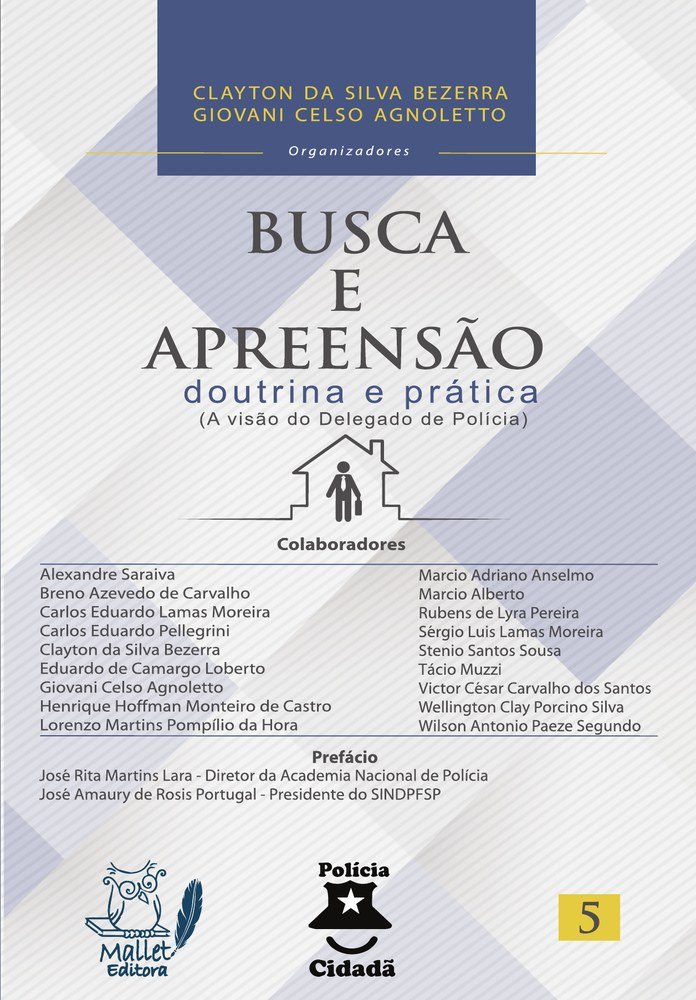
Official cover of volume 5 of Busca e Apreensão: Doutrina e Prática, Mallet Editora
Open Access
Free PDF (print edition for sale)
Mallet Editora · 2017

Busca e Apreensão: Doutrina e Prática

[Search and Seizure: Doctrine and Practice]

Chapter: "Busca e Apreensão Virtual: evidências digitais em nuvem computacional" [Virtual Search and Seizure: digital evidence in cloud computing]

A pioneering doctrinal and operational study on moving beyond the strictly spatial concept of "domicile" and the physical seizure of hard drives. The chapter sets out the technical and legal requirements for virtual search and seizure on cloud computing servers, real-time preservation (expedited preservation), and the limits of court orders addressed to national and international service providers.

vol. 5, pp. 157-181Download / Read→
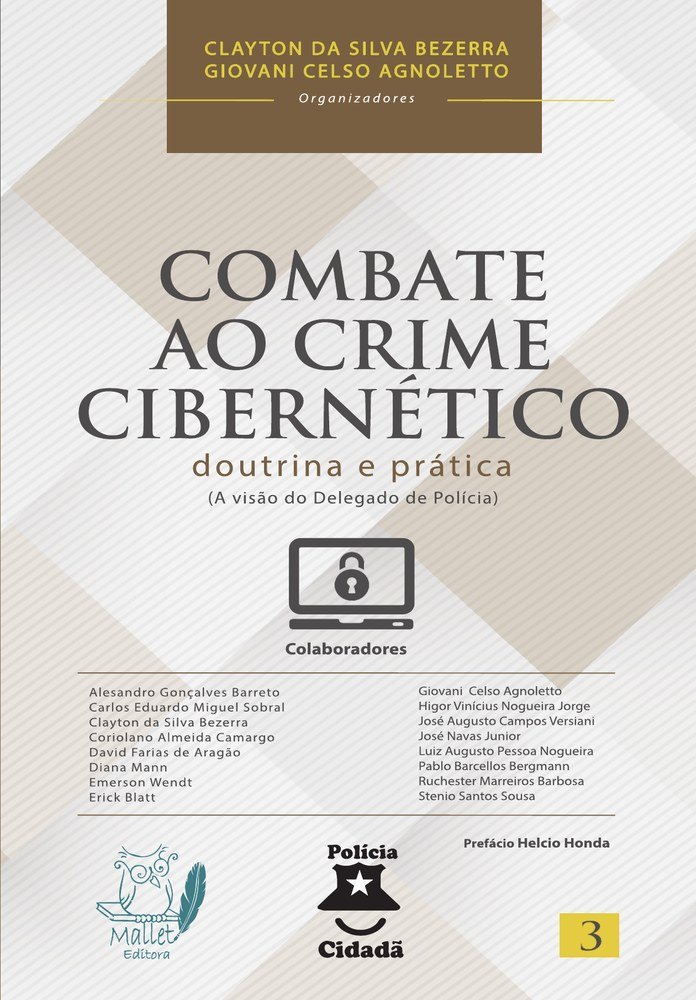
Official cover of volume 3 of Combate ao Crime Cibernético: Doutrina e Prática, Mallet Editora
Open Access
Free PDF (print edition for sale)
Mallet Editora · 2016

Combate ao Crime Cibernético: Doutrina e Prática

[Combating Cybercrime: Doctrine and Practice]

Chapter: "Contribuição crítica ao processo de investigação criminal da fraude bancária eletrônica" [A critical contribution to the criminal investigation process of electronic bank fraud]

A detailed analysis of the operational vectors, criminal structures and illicit money flows in electronic bank fraud in Brazil. It discusses social engineering, banking malware (trojans), money mules and the urgent need for agile coordination between the federal judicial police and financial institutions for precautionary freezing and asset recovery.

vol. 3, pp. 49-66Download / Read→
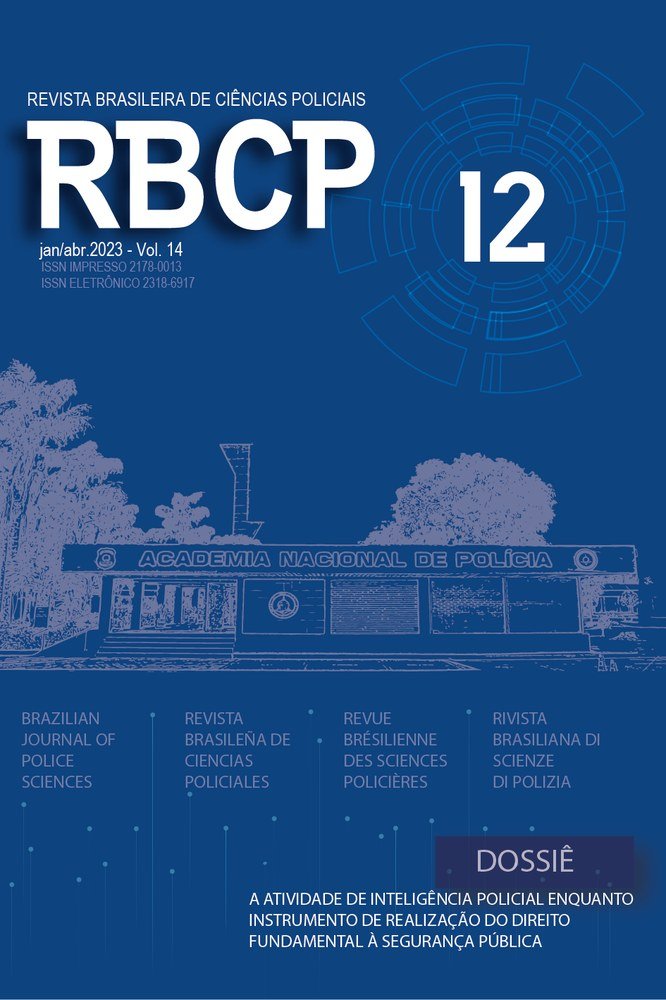
Cover of the Revista Brasileira de Ciências Policiais, vol. 14: A Atividade de Inteligência Policial e a Segurança Pública [Police Intelligence Activity and Public Security]
Open Access
Free (Open Access)
Revista Brasileira de Ciências Policiais (RBCP) · 2023

A Atividade de Inteligência Policial e a Segurança Pública

[Police Intelligence Activity and Public Security]

An instrument for realizing the fundamental right to public security

Study published in the Revista Brasileira de Ciências Policiais (Brazilian Journal of Police Sciences) examining the legal and functional nature of Police Intelligence. It shows that intelligence activity is not limited to data collection, but constitutes a doctrinally oriented tool for realizing the fundamental right to public security, operating in strict observance of the constitutional boundaries of legality and accountability.

vol. 14, pp. 17-31Download / Read→
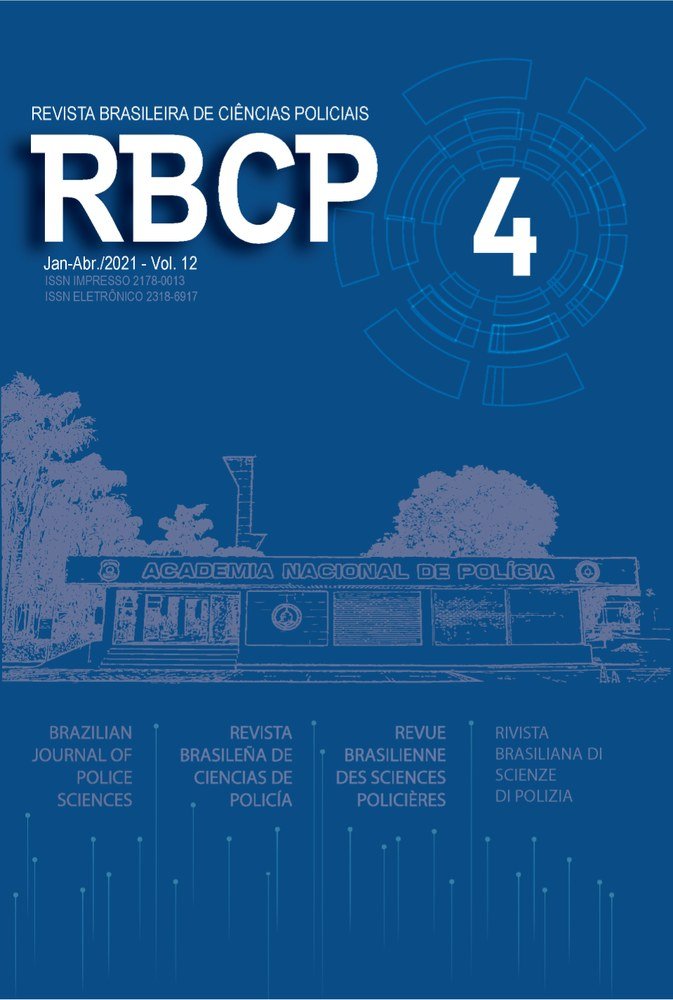
Cover of RBCP vol. 12 - Evidence-Based Police Activity
Open Access
Free (Open Access)
Revista Brasileira de Ciências Policiais (RBCP) · 2021

Atividade Policial Baseada em Evidências

[Evidence-Based Police Activity]

Science, empirical method and public security policies

A defense and systematization of the Evidence-Based Policing paradigm in the work of Brazilian police forces, published in the Revista Brasileira de Ciências Policiais (Brazilian Journal of Police Sciences). The author proposes moving beyond intuitive empiricism in favor of methodological rigor, scientific impact evaluation, quantitative measurement of crime and decision-making grounded in replicable data.

vol. 12, pp. 11-20Download / Read→
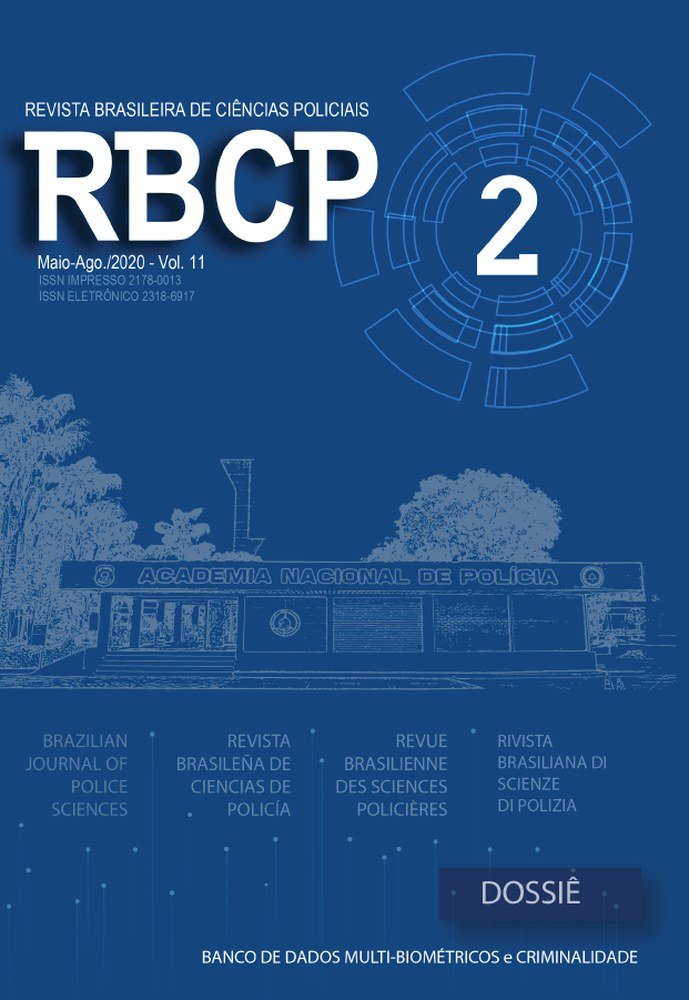
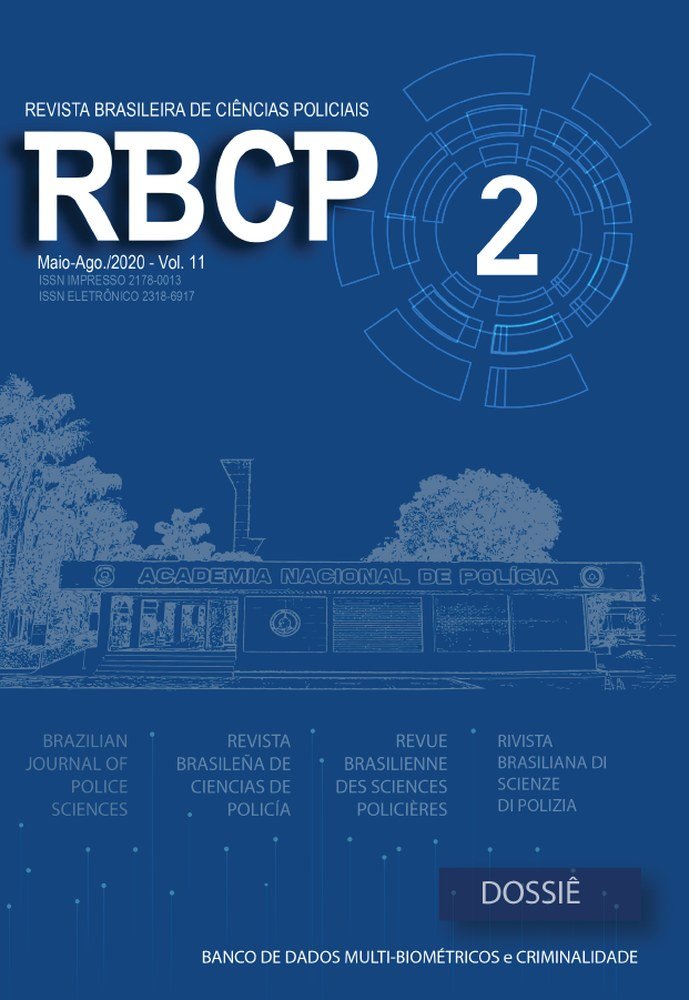
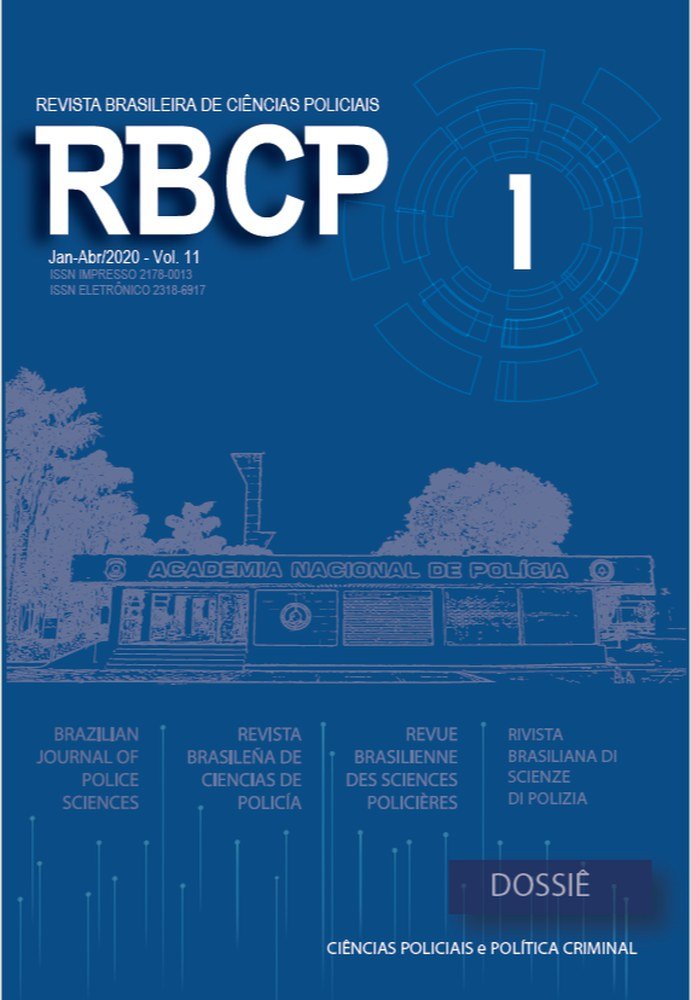
Cover of RBCP vol. 11 - Police, Technology and Global Crisis
Open Access
Free (Open Access)
Revista Brasileira de Ciências Policiais (RBCP) · 2020

Polícia, Tecnologia e Crise Global

[Police, Technology and Global Crisis]

Pandemic impacts, accelerated digitalization and networked police response

Essay, published in the Revista Brasileira de Ciências Policiais (Brazilian Journal of Police Sciences), that diagnoses the sudden migration of social relations to the virtual ecosystem during global systemic crises. It analyzes the surge in digital threats (phishing, social benefit fraud, attacks on hospitals) and the decisive role of forensic technology and real-time cooperation in ensuring the continuity of security as an essential service.

vol. 11, pp. 11-18Download / Read→
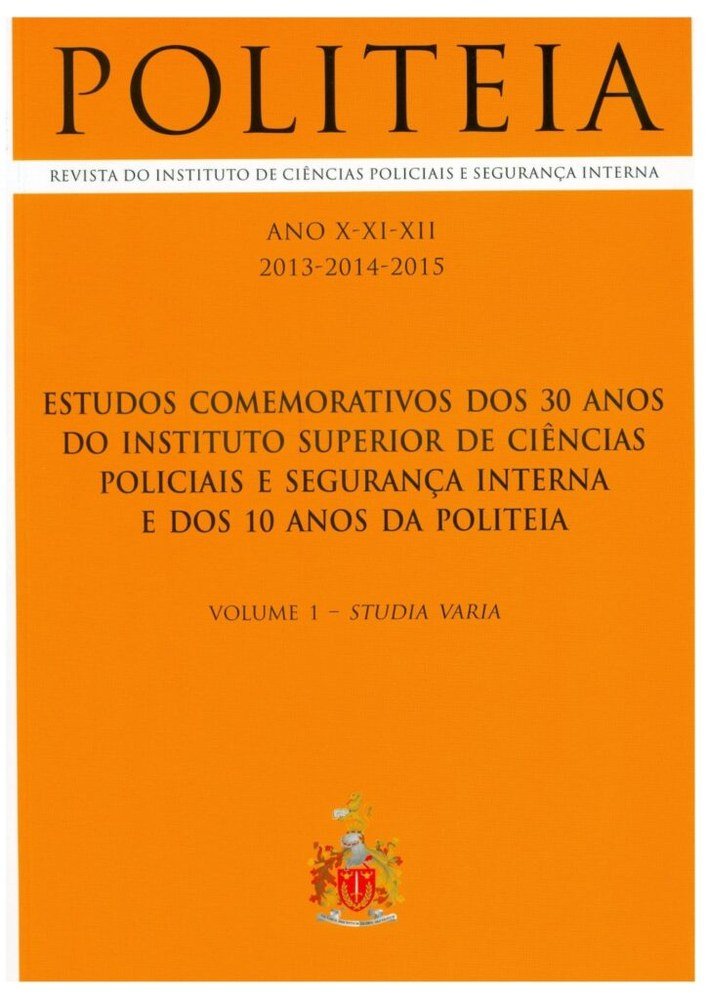
Official cover of the journal Politeia (ISCPSI, Portugal), years X-XII, volume 1
Open Access
Free (Open Access)
Politeia — Revista Portuguesa de Ciências Policiais (ISCPSI) · 2016

Fórmula Típica do art. 241-C do ECA Cibernético

[The Statutory Formula of Article 241-C of the Cyber ECA]

Echoes of Enemy Criminal Law?

An in-depth doctrinal examination of the criminal offense introduced into the Child and Adolescent Statute (ECA) for the possession and storage of child and adolescent pornography in digital media. The author confronts the legislative technique with Günther Jakobs’s theory of Enemy Criminal Law, inquiring whether the criminalization of preparatory acts and of mere possession violates the principles of harm, culpability and offensiveness in a democratic State governed by the rule of law.

vol. 1, pp. 263-297Download / Read→
Cover of RBCP vol. 6 - Autonomy and Efficiency of the Federal Police
Open Access
Free (Open Access)
Revista Brasileira de Ciências Policiais (RBCP) · 2015

Autonomia e Eficiência da Polícia Judiciária da União

[Autonomy and Efficiency of the Federal Judicial Police]

Interdependent and equipollent vectors for the constitutional realization of the Federal Police

A foundational article, published in the Revista Brasileira de Ciências Policiais (Brazilian Journal of Police Sciences), on the institutional design and functional autonomy of the Federal judicial police under the 1988 constitutional order. It shows that republican efficiency in combating organized crime and corruption requires organic guarantees of investigative impartiality, protection against improper political interference and strict adherence to democratic legality.

vol. 6, pp. 161-198Download / Read→
Official cover of Revista Memória no. 5, year 4, December 2025 — COPEDEM 2025 Congress, "Construindo o futuro com tecnologias inteligentes" [Building the future with intelligent technologies]
Open Access
Free (online reading)
Revista Memória (COPEDEM · Centro de Memória Jurídica) · 2025

Inteligência Artificial e o Direito Penal do Novo Milênio

[Artificial Intelligence and the Criminal Law of the New Millennium]

COPEDEM 2025 Congress · Rio de Janeiro

Lecture and academic paper presented at the COPEDEM 2025 Congress (Colégio Permanente de Diretores de Escolas Estaduais da Magistratura, the Permanent Council of Directors of State Judicial Schools) in Rio de Janeiro. The work outlines the profound transformations in criminal imputation arising from the advance of autonomous artificial intelligence systems, addressing the liability of developers, algorithmic bias in criminal decisions and new horizons for the protection of digital legal interests.

Cover of the Revista de Direito de Polícia Judiciária - Collection of Genetic Profiles and Criminal Investigation
Open Access
Free (Open Access)
Revista de Direito de Polícia Judiciária (RDPJ / ANP) · 2018

Coleta de Perfil Genético e Investigação Criminal

[Collection of Genetic Profiles and Criminal Investigation]

Criminal identification or means of evidence, in light of the principle of constitutionality?

A pioneering study on the legal nature of the collection of genetic profiles in the course of criminal investigation. It analyzes the innovations introduced by Law 12,654/2012 and the debates over its constitutionality, contrasting the purpose of mere criminal identification with that of an autonomous means of evidence, from the perspective of human dignity and the principle of nemo tenetur se detegere.

pp. 113-149 (37 pages)Download / Read→
Cover of the monograph awarded 2nd place at the VI CNDPF (ADPF, Vila Velha/ES, April 2014)
Open Access
Free (Open Access)
Associação Nacional dos Delegados de Polícia Federal (ADPF) · 2014

O Princípio da Prévia Investigação Criminal

[The Principle of Prior Criminal Investigation]

Criminal investigation, criminal procedure and the Federal Constitution

Scientific work that received an award in the Scientific Article Competition of the 6th National Congress of Federal Police Delegates (VI CNDPF). The author argues for the ontological and normative existence of the principle of prior criminal investigation in the accusatory criminal procedure system, showing how the police investigation (inquérito policial) serves as a filter against reckless accusations and a safeguard of the citizen’s status dignitatis.

pp. 44-66 (23 pages)Download / Read→
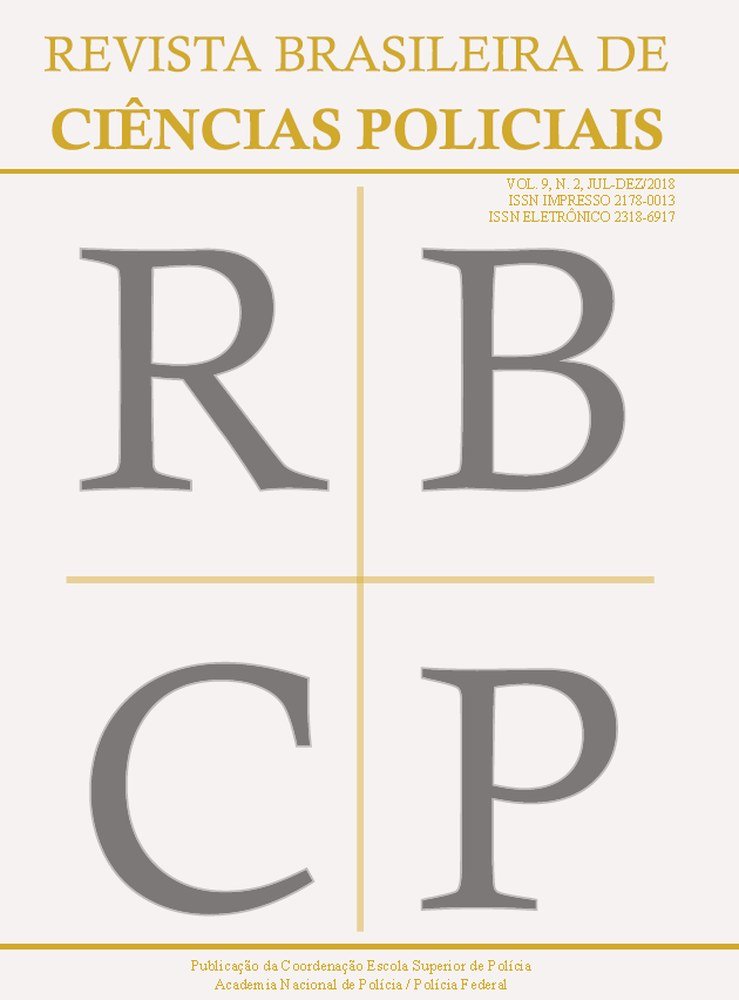
Cover of RBCP vol. 9, no. 2 (2018) - The Transformative Role of the Police Sciences
Open Access
Free (Open Access)
Revista Brasileira de Ciências Policiais (RBCP) · 2018

O Papel Transformador das Ciências Policiais

[The Transformative Role of the Police Sciences]

Editorial of the Revista Brasileira de Ciências Policiais (Brazilian Journal of Police Sciences)

An editorial that reflects on the epistemological development of the Police Sciences in Brazil and the transition to rigorous methods of inquiry, highlighting the transformative impact of academic research on the modernization of public security institutions and on the improvement of republican governance.

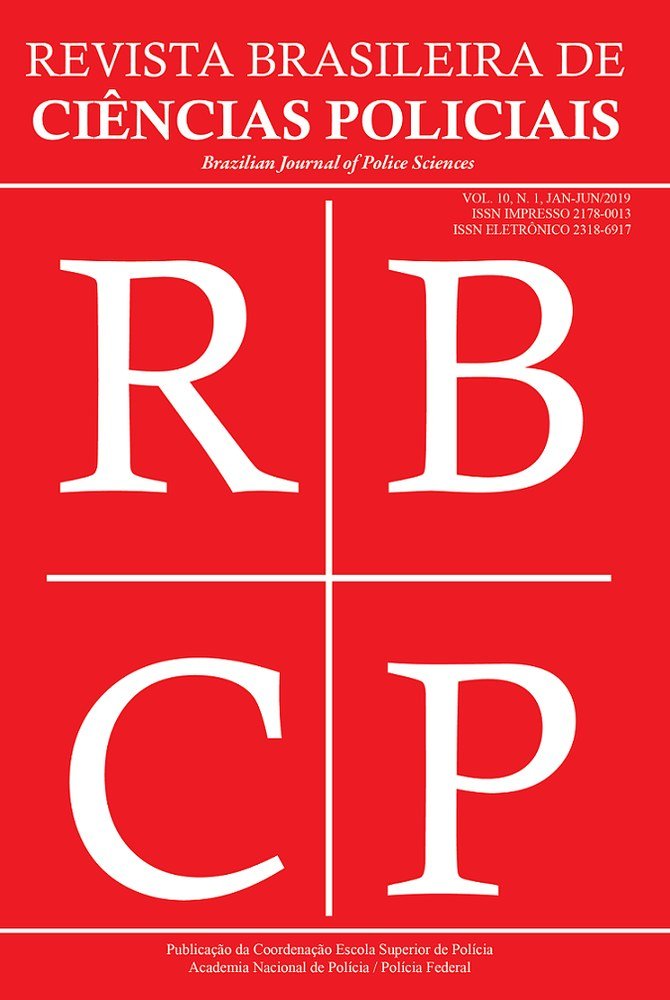
Cover of RBCP vol. 10, no. 1 (2019) - Police Science and Research
Open Access
Free (Open Access)
Revista Brasileira de Ciências Policiais (RBCP) · 2019

Ciência e Pesquisa Policial

[Police Science and Research]

Editorial of the Revista Brasileira de Ciências Policiais (Brazilian Journal of Police Sciences)

The editorial approaches police science as a constitutive part of a liquid world, in the sense advanced by Zygmunt Bauman, reflecting on urban transformations, the role of the contemporary State, and the pressing need to ground security practices in empirical evidence and democratic safeguards.

Cover of RBCP vol. 11, no. 2 (2020) - Interview with Anthony W. Pereira
Open Access
Free (Open Access)
Revista Brasileira de Ciências Policiais (RBCP) · 2020

Entrevista com Anthony W. Pereira (King's College London)

[Interview with Anthony W. Pereira (King’s College London)]

Research in Public Security, Police Sciences and Comparative Settings

An in-depth interview with the political scientist and Brazilianist Anthony W. Pereira, director of the Brazil Institute at King’s College London. It discusses the state of the art of research in public security and police sciences in Brazil and the United Kingdom, mechanisms of democratic control, accountability, and the dilemmas of the militarization of security.

pp. 269-311 (43 pp.)Download / Read→
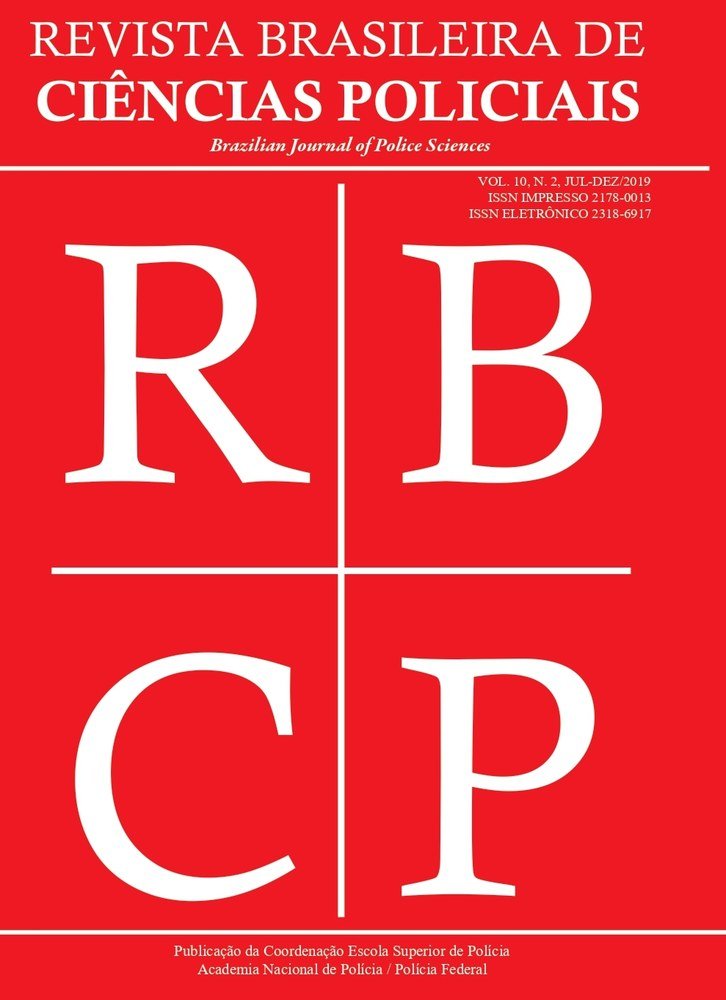
Cover of RBCP vol. 10, no. 2 (2019) - Violence and Guarantees
Open Access
Free (Open Access)
Revista Brasileira de Ciências Policiais (RBCP) · 2019

Violência e Garantias

[Violence and Guarantees]

Editorial commemorating the 10th anniversary of the Revista Brasileira de Ciências Policiais (Brazilian Journal of Police Sciences) (2010-2019)

Celebrating 10 years of uninterrupted publication of the RBCP, the Revista Brasileira de Ciências Policiais (Brazilian Journal of Police Sciences), by the Escola Superior de Polícia (2010–2019), this editorial reflects on the historical commitment of the Federal Police to scientific research and on the dialectic between the containment of violence and the uncompromising defense of constitutional guarantees.

Cover of RBCP vol. 11, no. 1 - Paths for a New Decade
Open Access
Free (Open Access)
Revista Brasileira de Ciências Policiais (RBCP) · 2020

Caminhos para uma Nova Década

[Paths for a New Decade]

Editorial opening a new cycle of the Revista Brasileira de Ciências Policiais (Brazilian Journal of Police Sciences)

Opening Volume 11 of the RBCP, the Revista Brasileira de Ciências Policiais (Brazilian Journal of Police Sciences), the editorial projects the trajectory of the journal and of police research into the 2020s, emphasizing the relevance of scientific evidence, the new frontiers of technological crime, and the role of the Escola Superior de Polícia at the forefront of public security.

Composite cover of the article As operações da Polícia Federal e as influências políticas [Federal Police Operations and Political Influences], Revista Jus Navigandi, year 10, no. 758, Editors’ Pick
Open Access
Free (Open Access)
Revista Jus Navigandi · 2005

As operações da Polícia Federal e as influências políticas

[Federal Police Operations and Political Influences]

A manifesto for separating the Department of Federal Police from the Executive Branch

Selected by the editors of Revista Jus Navigandi as an Editors’ Pick, the article starts from the 2005 Federal Police operations that reached politicians and the economic elite, such as Narciso, Cevada and Confraria, and from the criticism that accompanied them in the context of the Correios Parliamentary Inquiry Committee (CPI dos Correios), in order to address the suspicion that the institution served the interests of the government. The author, then a Federal Police Delegate and a graduate student in Criminal Sciences, argues for the legality of the investigative instruments employed and the qualifications of the personnel trained by the Academia Nacional de Polícia (National Police Academy), and concludes in favor of creating a body separate from the Federal Executive, with express constitutional guarantees for Federal Police Delegates, in particular functional independence and irremovability.

Online law journal (ISSN 1518-4862)Download / Read→
Composite cover of the article Desvinculação da Polícia Federal do Poder Executivo [Separating the Federal Police from the Executive Branch], Revista Jurídica Consulex, no. 207, August 31, 2005
Article in a Law Journal (Print Edition)
Used copy (secondhand bookstore)
Revista Jurídica Consulex · 2005

Desvinculação da Polícia Federal do Poder Executivo

[Separating the Federal Police from the Executive Branch]

Published in the same month as the manifesto that appeared in Revista Jus Navigandi, in the August 31, 2005 issue whose cover addresses 505 years of corruption in Brazil, the article brings to Revista Jurídica Consulex the case for separating the Federal Police from the Executive Branch as a condition for criminal investigation free from political influences. The Virtual Library Network catalog records as subjects the administrative and financial autonomy of the Federal Police and the professional training of police officers.

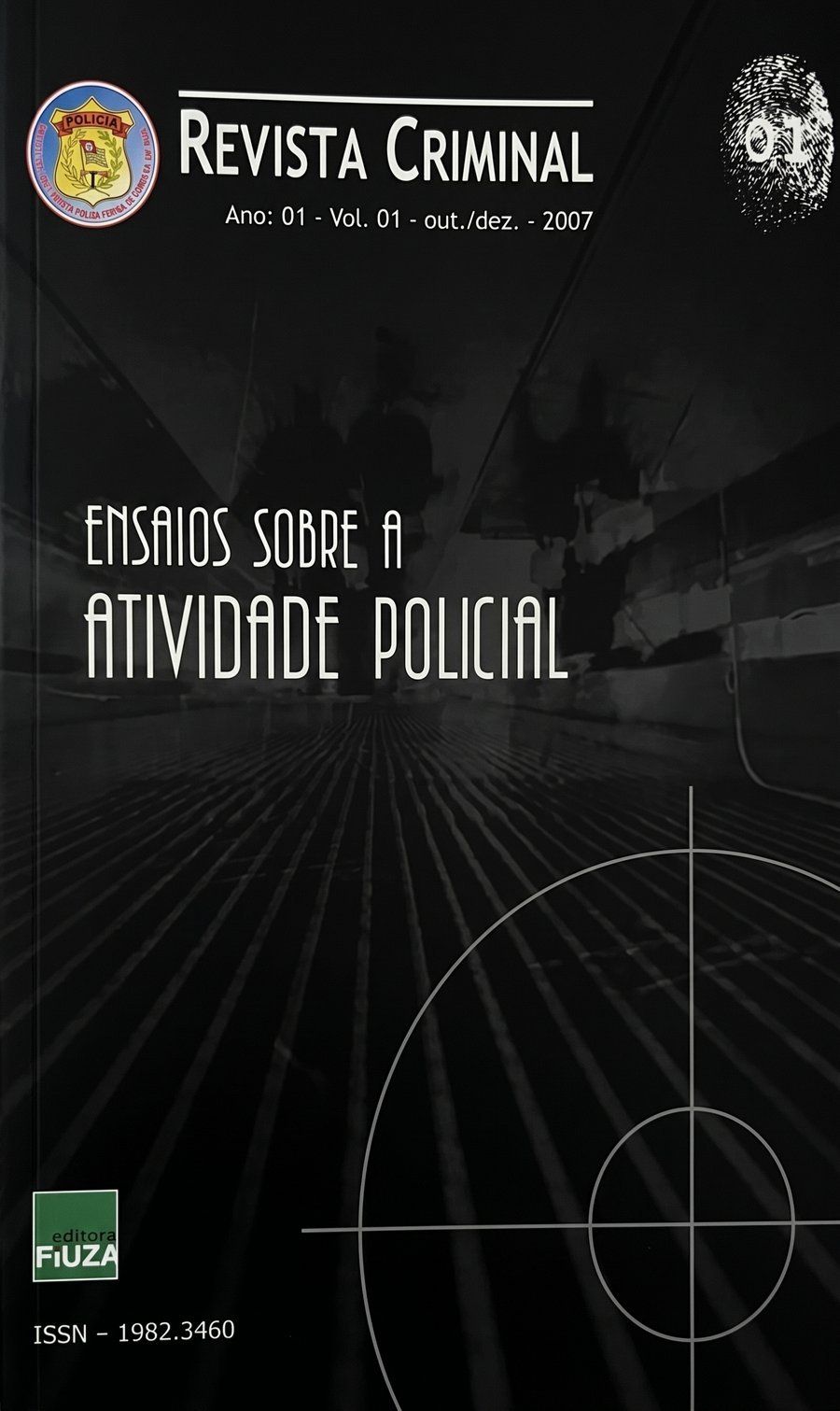
Original cover of Revista Criminal: ensaios sobre a atividade policial [Criminal Review: Essays on Police Activity], vol. 1, no. 1, 2007
Open Access
Free Open Access
Revista Criminal (Sindicato dos Delegados de Polícia Federal no Estado de São Paulo) · 2007

Foro por Prerrogativa de Função

[Special Forum by Prerogative of Office]

Procedures in the course of the preliminary criminal investigation

A text derived from the monograph concluding the Specialization in Criminal Sciences (UNAMA/UVB/Rede LFG), published in the inaugural issue of Revista Criminal: ensaios sobre a atividade policial. The essay examines the possibilities and scope of the preliminary criminal investigation and its influence on criminal proceedings, starting from the divergences in legal scholarship and case law on the special forum by prerogative of office (foro por prerrogativa de função) during the police investigation (inquérito policial): whether the prerogative should be restricted to criminal proceedings and whether the police authority may open the investigation without prior authorization from the competent court. It concludes that the weak point of the Brazilian model lies not in the separation between investigating, prosecuting and judging, but in the lack of guarantees for police authorities and of a defined constitutional place for the judicial police, which should have full autonomy from the Executive Branch, among the functions essential to Justice.

University outreach project

Alerta Digital Column · Full Archive

Organized Cybercrime Research Group · 50 weekly articles (2023–2024)

Since the newspaper Gazeta de Varginha no longer keeps its full archive online, this site hosts the complete series of 50 original articles, covering ransomware, artificial intelligence, digital evidence, online scams and cyber sovereignty. The articles are in Portuguese.

Read the 50 column articles→Open access, full text and metadata